The Organic Freelancer: Beyond Hustle and Busyness
Graphic design lives in a strange tension: it is both play and business.
As a freelancer who spent a decade working in a corporate setting, I often compare the two worlds. Working in an office with other people early in my career gave me structure and habits that still help me today. But what I value most now, running my own business, is flexibility.
In larger companies, repetitive and questionable work quietly accumulates. I’m talking about the bureaucracy — meetings, task boards, OKRs (objectives and key results), 360-degree feedback, hour tracking… all the rituals that make you feel like your creative time is being colonized.
And then there’s the rigid 9–5 window during which you’re expected to be creative.
Freelancing frees you from this, but the tension between business and play doesn’t disappear. It only becomes more personal, because you are the one enforcing it.
When Hustle Culture Takes Over
Unless design is purely a hobby, it has to pay the bills. This is where our business half of the brain tells us that play is a luxury.
With thousands of talented designers out there, we feel pressure to manage our time perfectly and make multitasking the normal way of working. I got really tired of various time management tools, so these days I enjoy the simplicity of using the Notes app. No login, no updates, it just works (+ syncs with my phone)!
There’s a special corner of the Internet where design gurus live, teaching their wisdom to anyone willing to follow. Even if you manage to ignore them, you probably still sometimes fall under the pressure of hustle culture. Their postulates? More output equals more value. Always improve or fall behind. Your free time is a missed opportunity. Be visible, or disappear. Monetize everything you enjoy.
It doesn’t take long to see where that road goes: exhaustion, burnout, maybe even questioning whether you want to stay in this field at all. Shouldn’t there be more space for play?
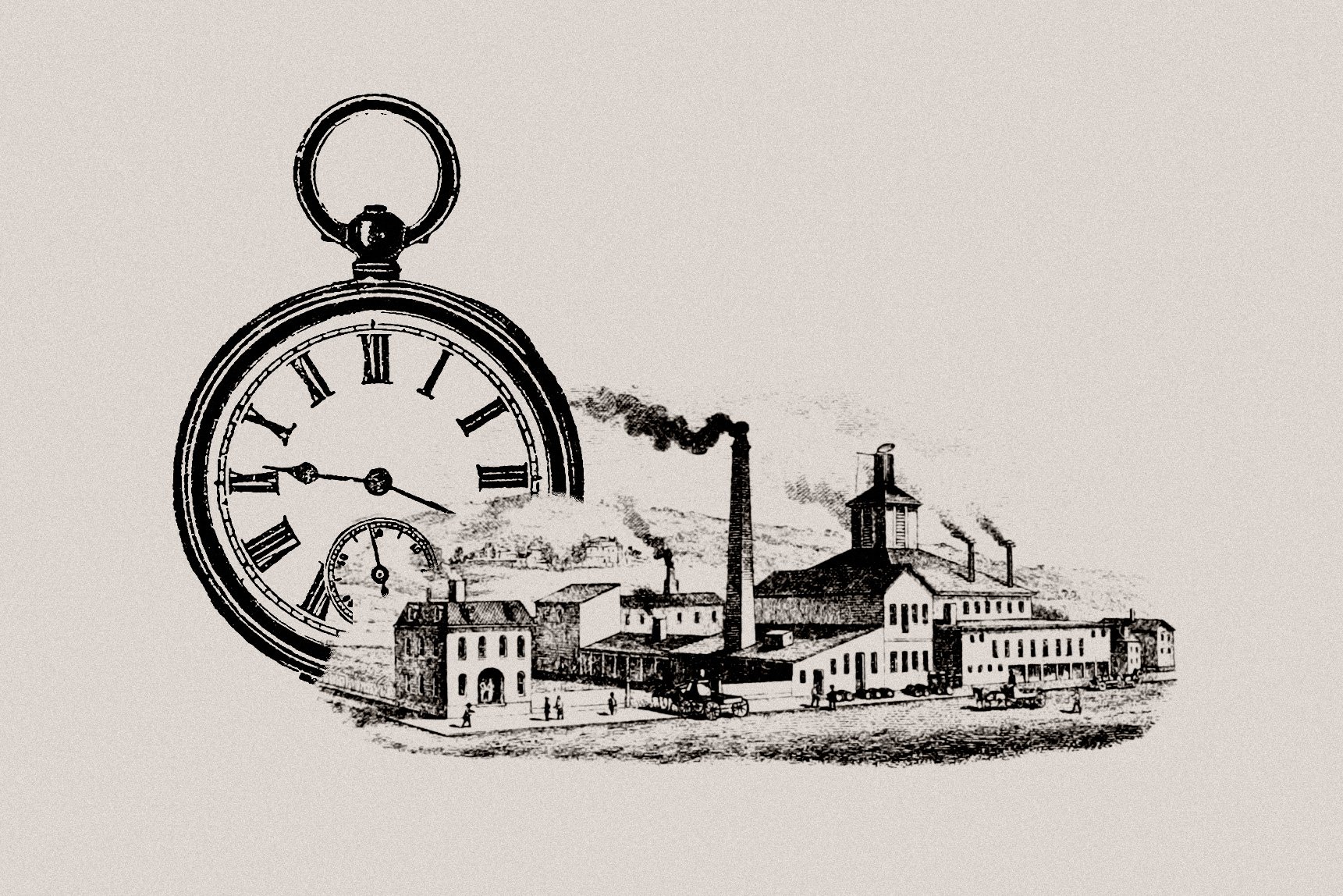
The clock, not the steam-engine, is the key-machine of the modern industrial age.
— Lewis Mumford
Rethinking Time and Presence
Lately I’ve been reading The Ascent of Humanity by Charles Eisenstein — a huge book full of interesting ideas (many of them more complex than I can fully grasp). I especially loved the chapter on Time and I couldn’t help but try to apply it to design work.
The historian Lewis Mumford argued that the true machine of the Industrial Age wasn’t the steam engine, but the clock. It reshaped society, made us rush, and turned us into servants of precision and regularity. Even creative professions absorbed this mentality. Today, we feel guilty for “wasting time” because adulthood tells us that every minute should be used to get ahead. This focus on survival and preparation for the future creates constant anxiety. It also keeps us from fully immersing ourselves in the present, which is essential for creative work.
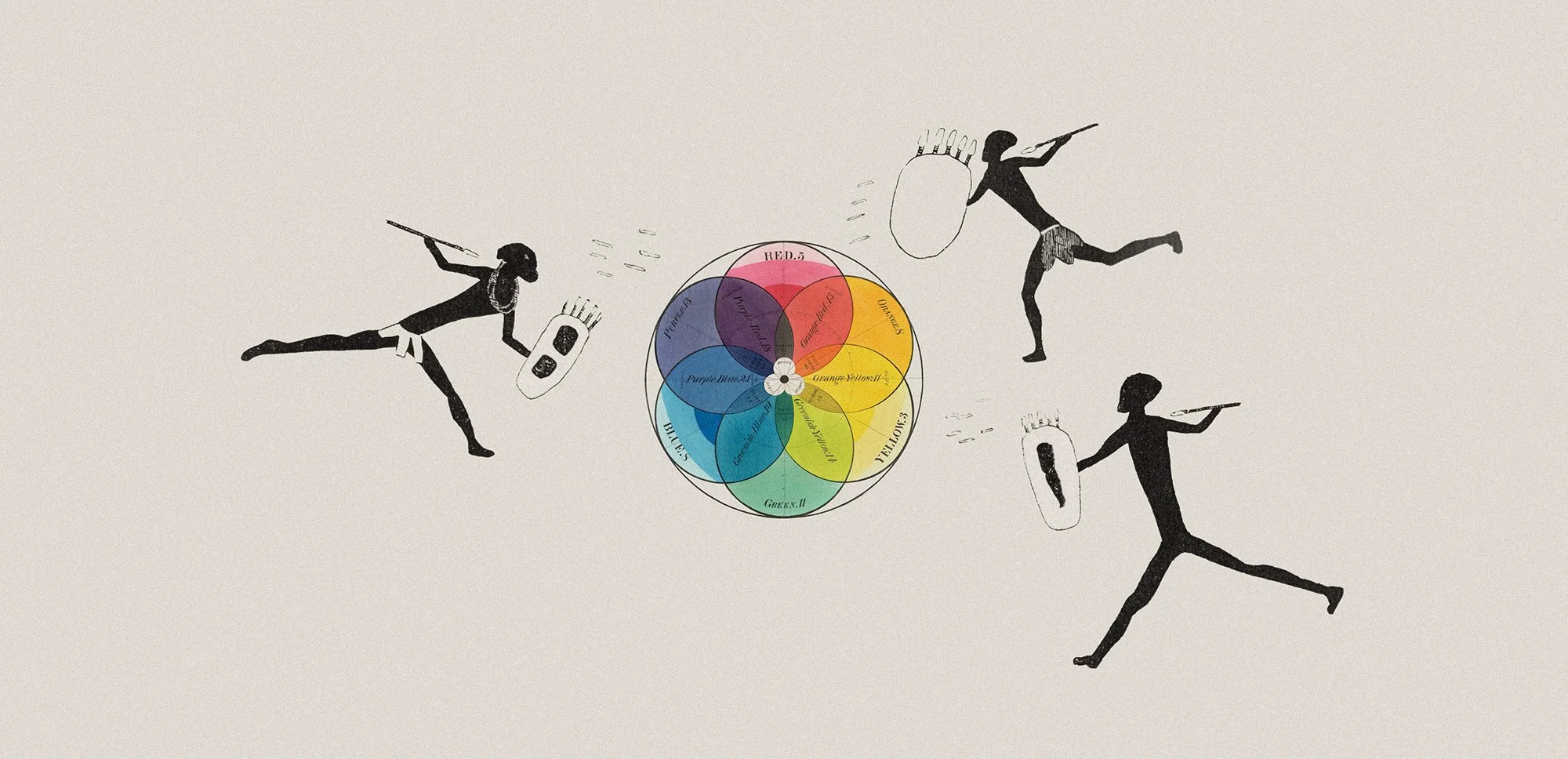
Eisenstein the invites us to rethink this. “That play can actually be productive without consciously directing it at productivity rarely occurs to us. When it does we assign it to the province of those lucky few, artists and geniuses, who get to do what they love. But actually the logic is backwards. Genius is the result of doing what you love, not a prerequisite for it.”
He compares hunter-gatherer societies, where nature provided enough for people to live without planning far ahead, to agricultural societies, where failing to prepare could be fatal. This is still our mindset today. “Always, we can be doing something to enhance our rational self-interest, to improve our position in the world, to increase our future security.”
“Genius is the result of doing what you love, not a prerequisite for it.”
Another relevant quote from the book comes from Daniel Greenberg, an educator from the 1960’s: “You’ve always got to be doing something useful. You have to account for every minute of the day in a productive way. If, when you go to sleep at night, you can’t really say that you have used every minute of your time productively, then a piece of your life has flitted by, never to return again. You’ve just squandered it.”
Greenberg observed children in learning environments and trusted that their natural curiosity would guide them to meaningful learning, without rigid schedules or constant pressure.
This idea echoes Eisenstein’s reflections on play: just as children thrive through exploration, creatives produce their best work when they trust their own curiosity and follow the organic process of creation. Reading these ideas made me aware of how often I rush myself, even when there is no real need..
Algorithm-free Creative Work
My design work is 99% tied to a computer screen, which isn’t always ideal. Devices are built for interruption. Email notifications can pull you out of fragile moments of thought. Luckily, true emergencies are rare in my field, so I can give myself the luxury of stepping away for a few hours and letting my mind wander.
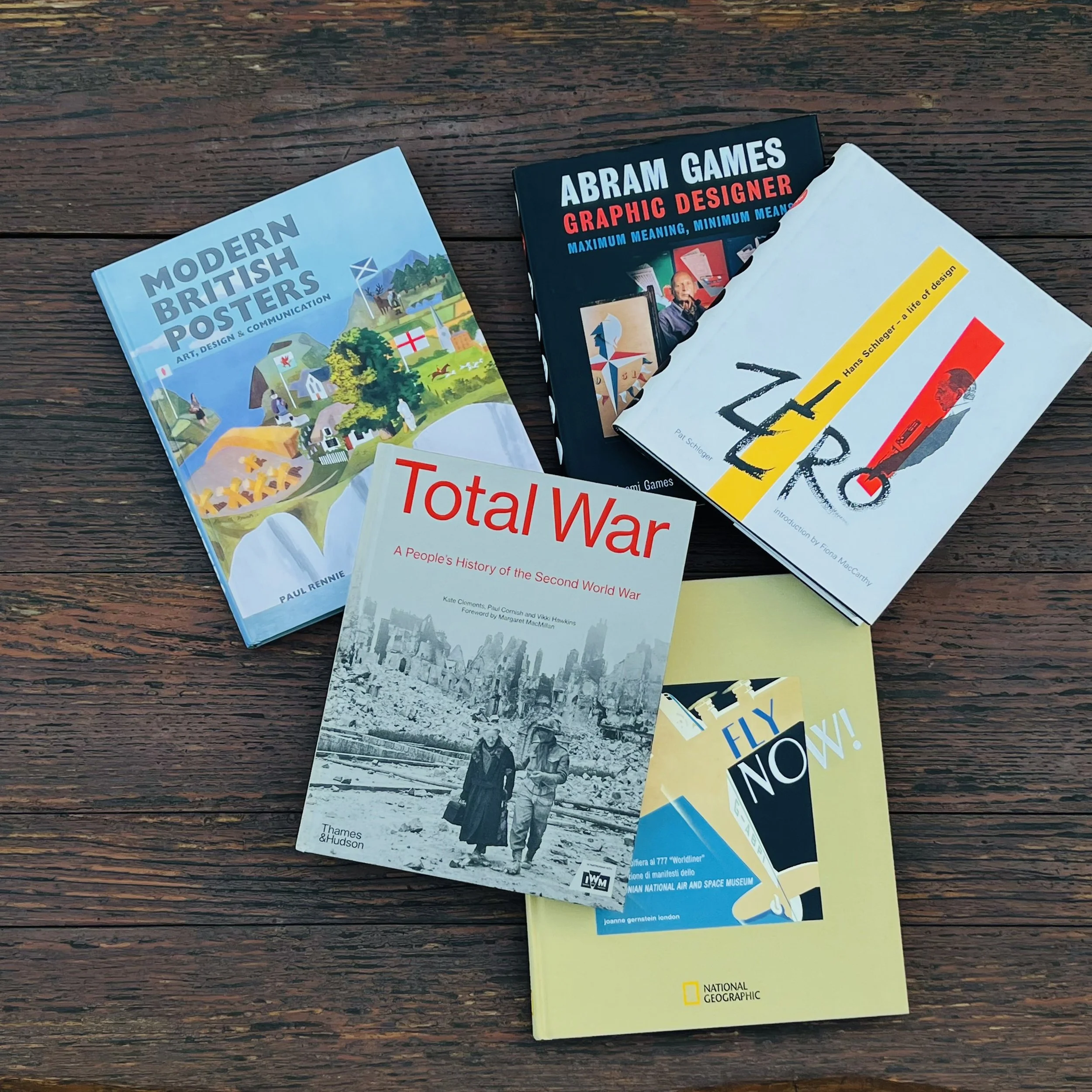
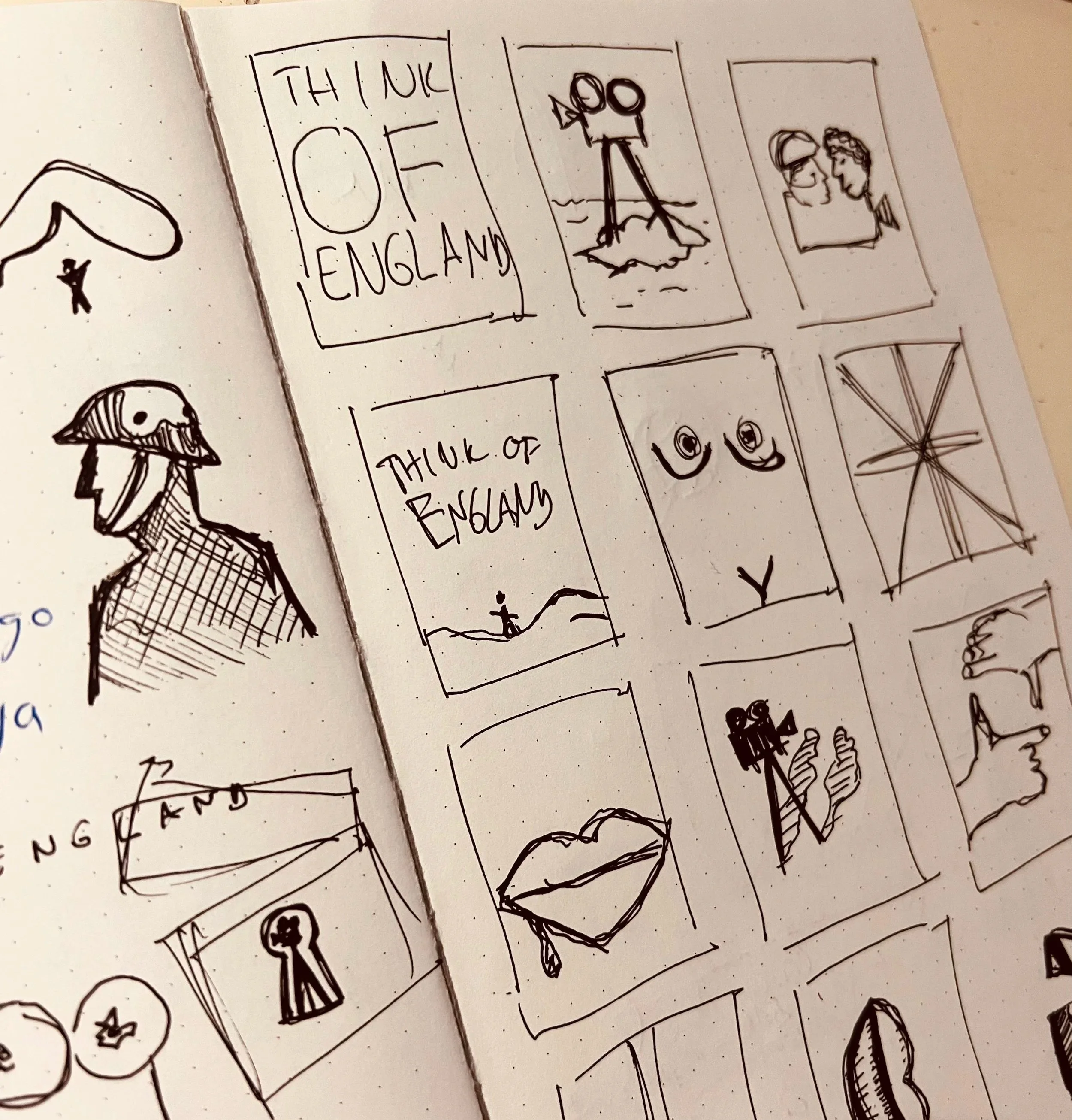
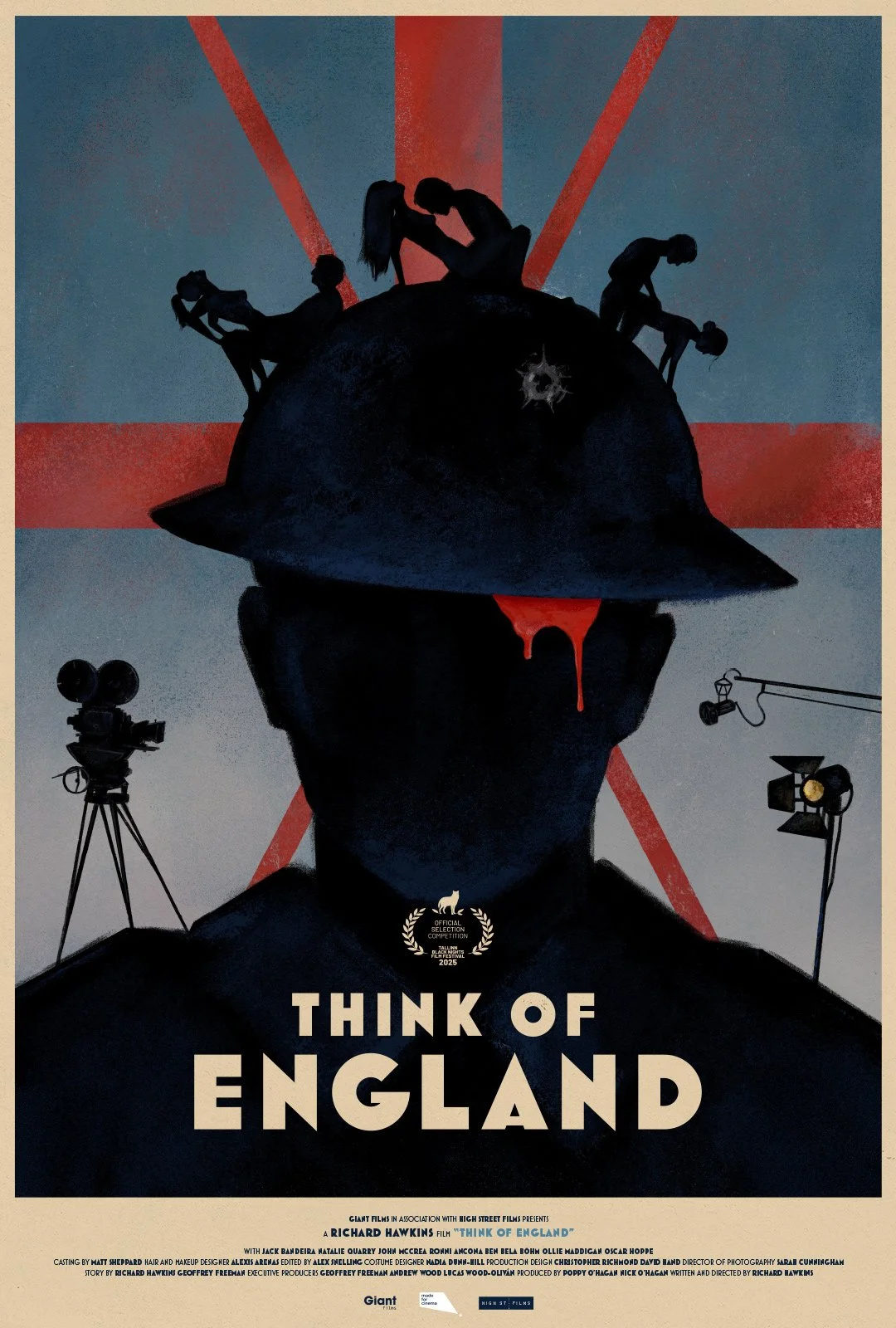
For a recent movie poster — a British film set during WW2 — I got to play my own librarian: pulling a small pile of books from the shelves and spreading them across the living room floor. It almost felt like stretching out toys. Turning pages instead of scrolling Pinterest was a delight and felt like an analogue antidote to algorithm-driven inspiration.
An Organic Approach to Freelancing
It can feel silly to spend more energy on a project than you’re being paid for. Good enough is good enough, says your inner project manager—wrap it up and deliver. There’s always something else waiting: another client, new prospects to reach out to, marketing to do, content to create…
But constantly leaning into the future often leads to lower-quality work and higher stress. Ironically, this makes the outcome you fear more likely.
Being fully present with a project doesn’t mean over-delivering. It means giving full attention to the phase you’re in, within the scope you’ve agreed on. Freelancers have the flexibility to adjust their workflows: you can spend more time on one phase, skip another, or tweak the process however it makes sense. That kind of adaptation isn’t possible in large, bureaucratic environments, so it’s worth using it.
This approach may sound naive, but it brings creative and business benefits:
You produce better work.
Instead of executing the brief mechanically, you slow down at the start to move faster later. It’s like sharpening an axe before swinging it.You feel less drained.
Multitasking and constant rushing only create diminishing returns. Staying with one task preserves your mental energy.You build better client relationships.
Each client works differently. Being present allows you to adapt to each client’s needs.
Hunting and Gathering
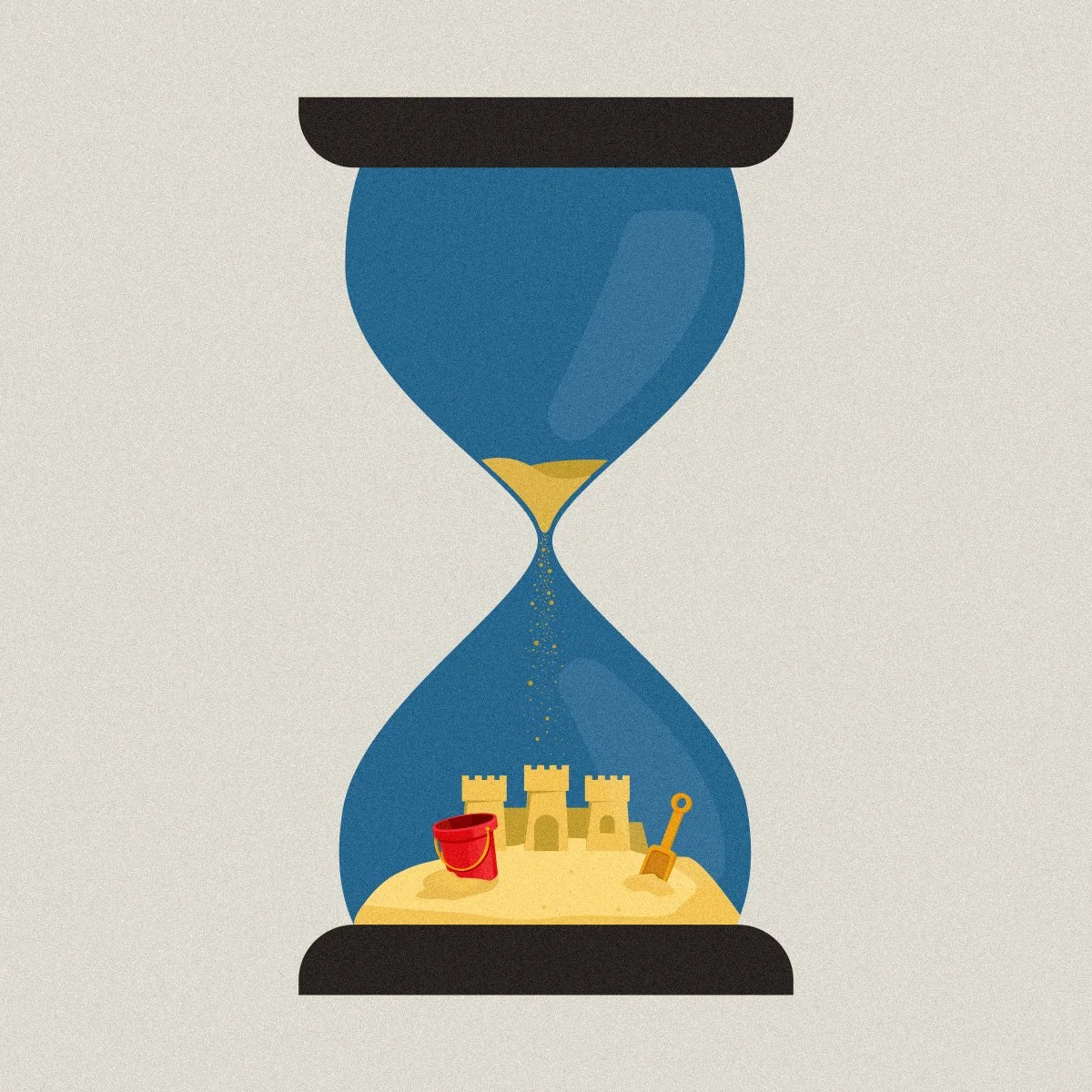
Here’s another way to think about it: hunter-gatherers can be present in the moment because they live inside an ecosystem where resources replenish. Your freelance ecosystem is made of your network, past clients, visibility, reputation, and ability to do great work. You learn to trust that new work will emerge from good work done now. This way your business grows organically, with less need for grinding.
Continuing the metaphor, freelancing has its own natural seasons. Understanding them reduces panic and prevents burnout.
Busy seasons
Work is flowing, deadlines stack up, and your time is focused on production.Quiet seasons
Projects slow down, giving you space to rest, explore, reflect, and recalibrate.Growth seasons
You develop skills, refresh your portfolio, stay visible, and nurture relationships.
Recognizing these cycles helps you avoid overworking during busy periods and worrying during slow ones. I’m not suggesting following the artist cliché of working in bursts of inspiration, sleeping irregularly and finishing things at the last minute. An organic freelance practice still needs a minimal structure: staying visible (online and offline), keeping your portfolio up to date, checking in with past clients, and pricing your work so that quiet months are survivable.
“When we play, we are willing to try things without guarantee of their eventual usefulness or value; yet paradoxically, it is precisely when we let go of such motivations that we produce the things of greatest use.”
Chasing the Unexpected
When designing movie posters, I carve out time for slow exploration early in the process. The obvious ideas always come first. I get them out of my system, then keep going until I discover something unexpected.
Experience can be a trap. You begin repeating yourself, relying on familiar solutions. But every film I design for is unique, even if it belongs to the same genre. It deserves a fresh concept, not something pulled from muscle memory. Unless the project is urgent and focused on a specific solution, I go through my usual process of brainstorming and presenting a variety of proposals. Finding the right concept and bringing it to final takes time.
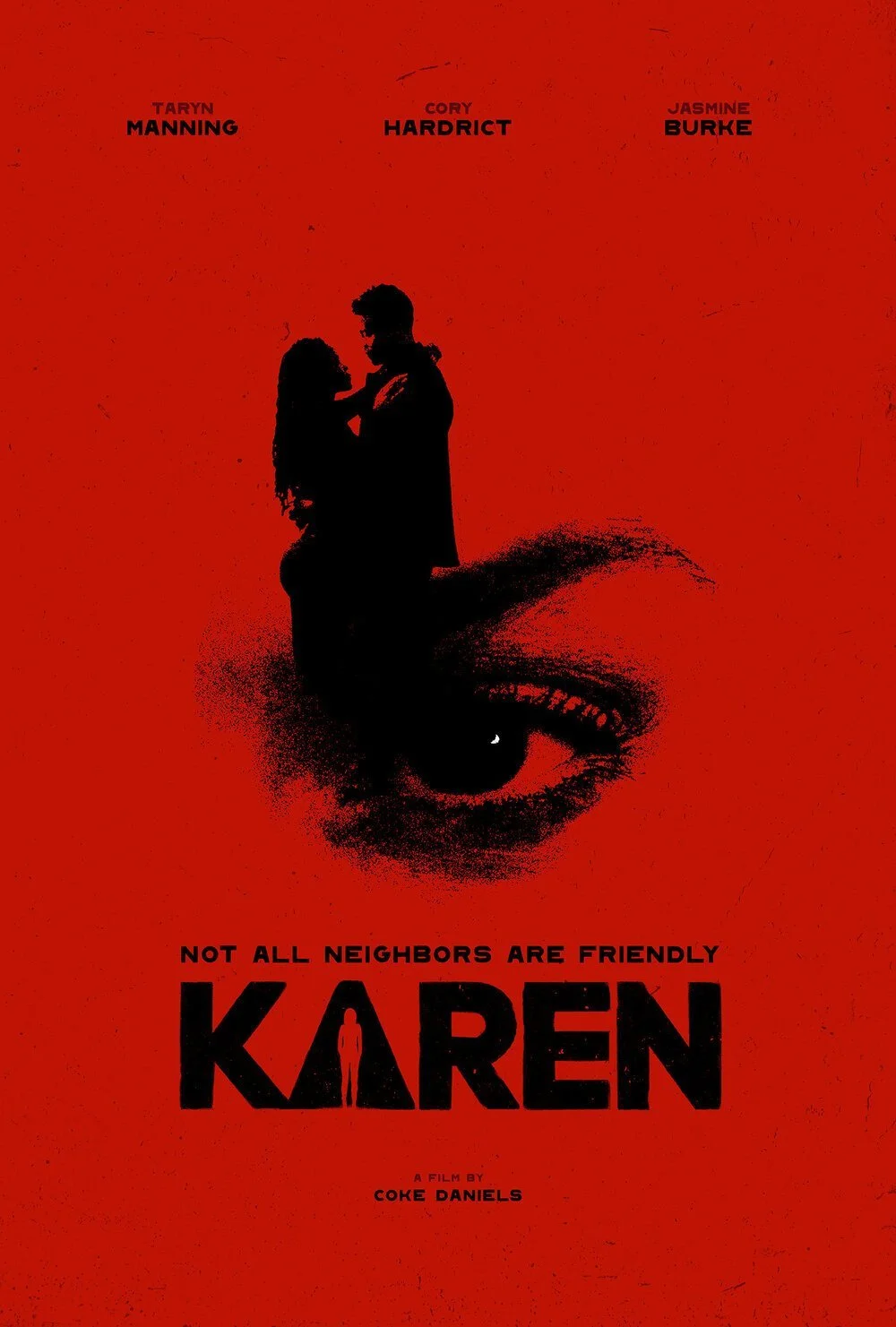

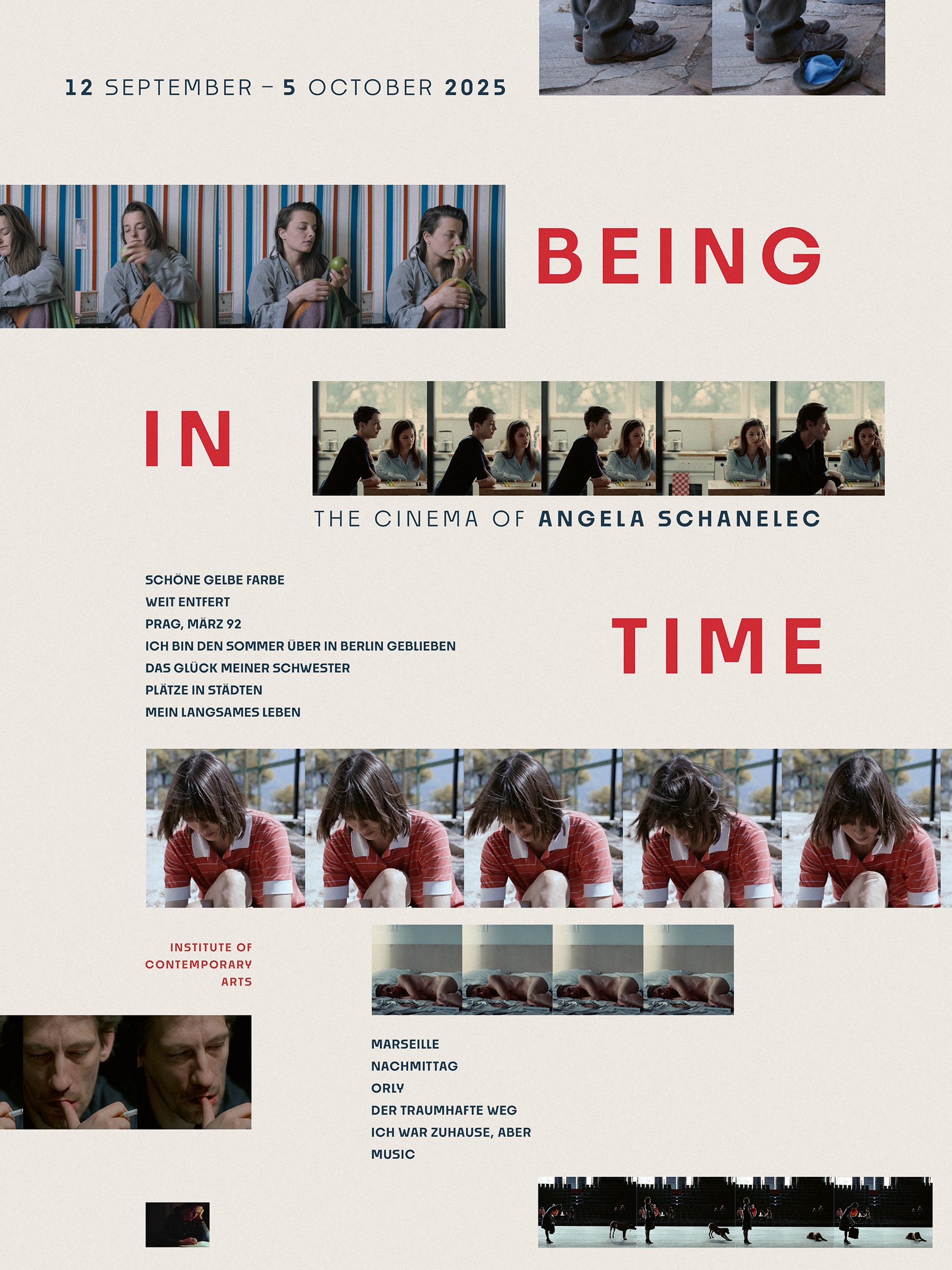
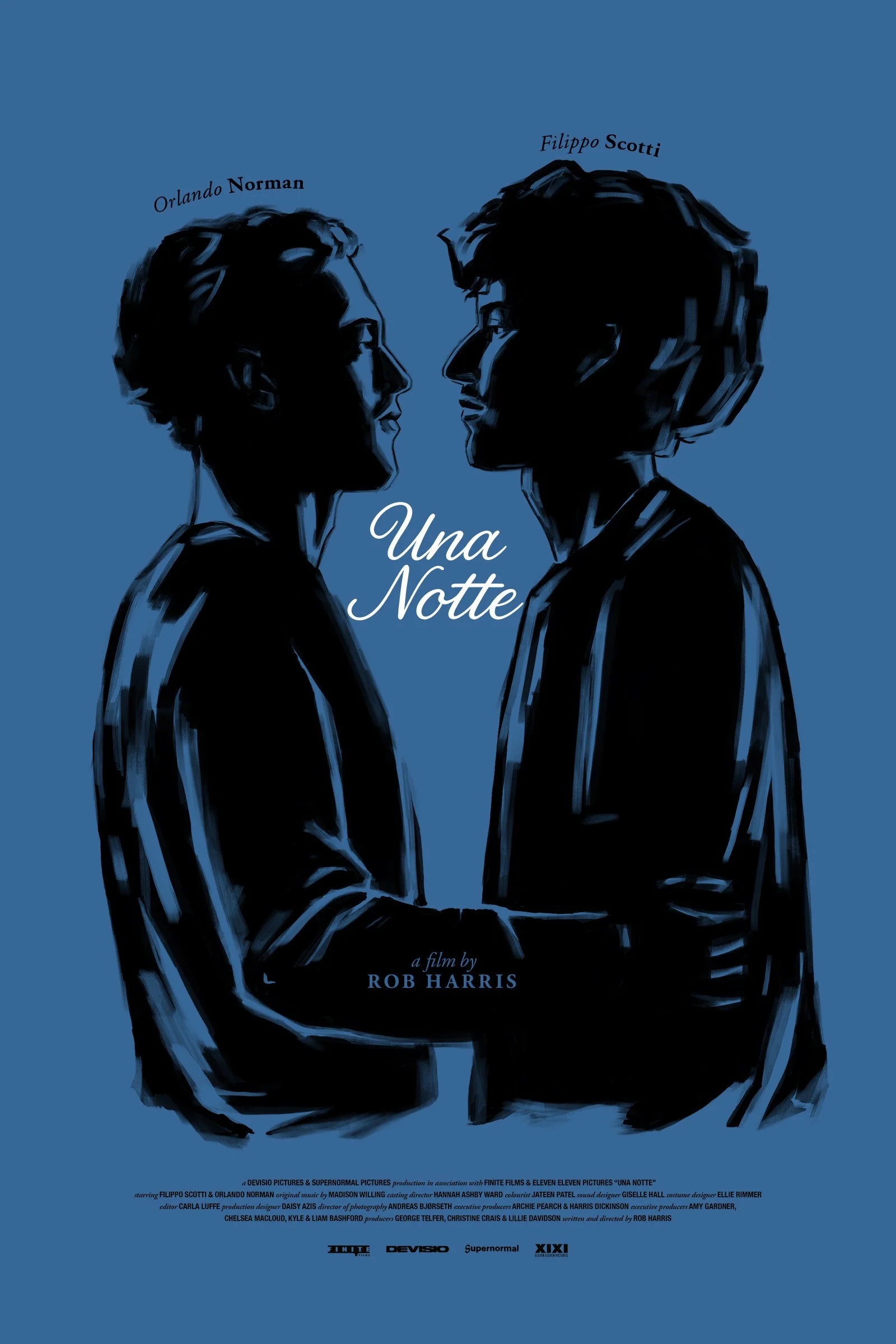
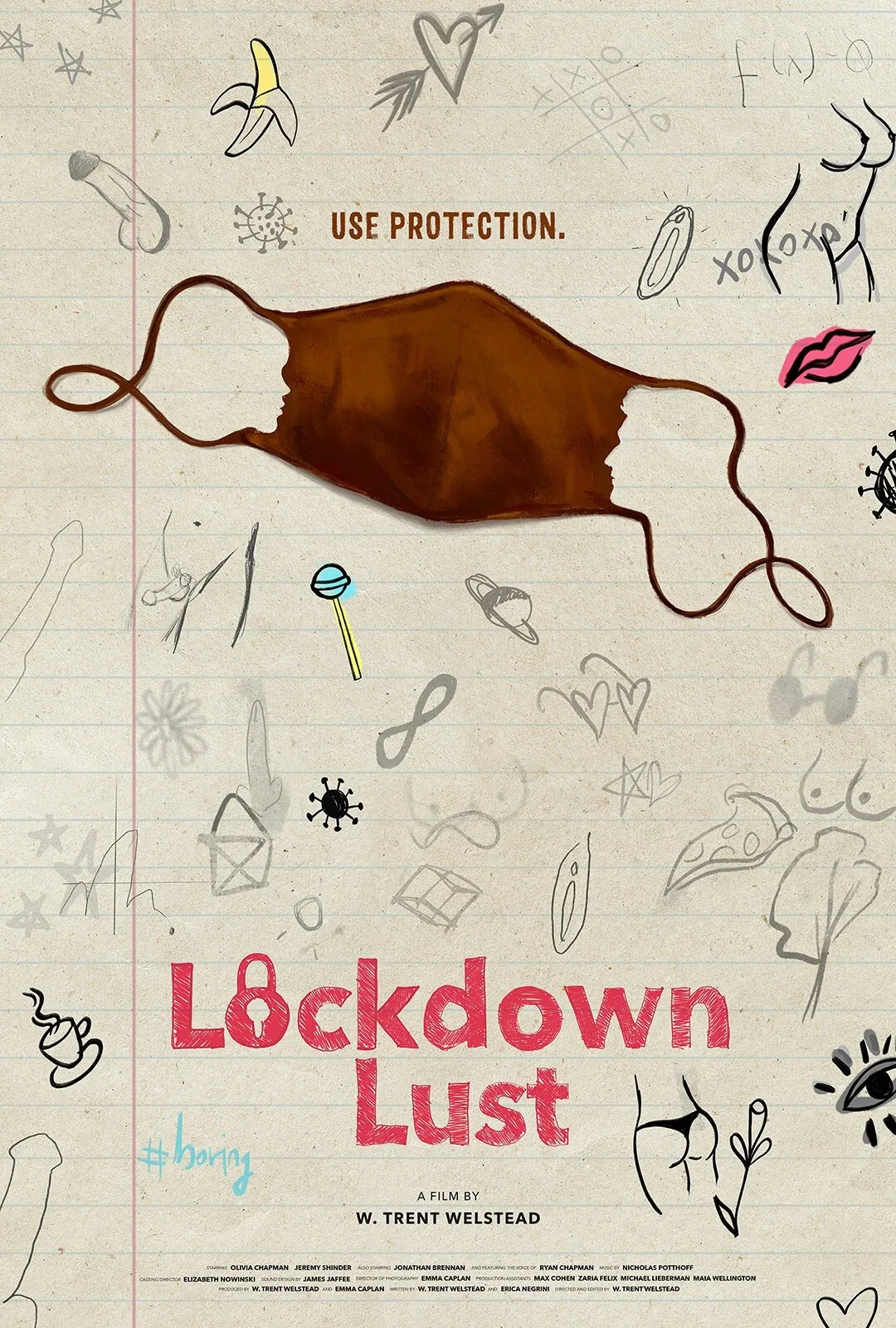
Eisenstein writes that creativity often means “forgetting about what has been done before, what will work, what brings secure results, and trying something else for the fun of it.” That approach has no guarantees. The safer, more efficient path would be to choose a concept the client will probably approve and move straight into execution.
But design is the business of selling ideas, and ideas deserve proper care.
Paul Rand put it perfectly: “Design is a time-consuming occupation. Whatever his working habits, the designer fills many a wastebasket in order to produce one good idea.”
Some of my strongest poster concepts arrived when I wasn’t “being productive” at my desk at all — the classic idea-under-the-shower moment. So do whatever sparks your curiosity (to paraphrase Marie Kondo), without feeling guilty just because it isn’t billable. Those things almost always find their way back into the work.

Keeping Play Alive
This organic freelancing isn’t something you adopt overnight. It depends on working with clients who allow enough time and freedom to do thoughtful work. It’s more of a long-term philosophy (you can call it an anti-hustle approach). But if we consider ourselves creatives, this could grow our fulfilment and reconnect us with the way children naturally explore.
Picasso famously said that every child is an artist, and the challenge is to remain one as we grow up.
Eisenstein adds that maybe it is play that keeps us youthful. “Instead of youth being the time for play, maybe it is play that keeps us youthful. Perhaps the boundless free flow of creative expression is what keeps us physically and mentally supple, as a child. When we attempt to control it, limit it, mortgage it to the acceptable and safe, then the bounds of that safety project themselves onto body and mind, subjecting both to a severely limited range of motion that hardens over time.”
I certainly don’t have everything figured out. Every day in freelancing is different, and the rise of AI only adds new uncertainties. But it’s worth remembering that play is allowed, even when we are “supposed” to be working. And spending time with a 600-page book like The Ascent of Humanity is not a waste of time.